Richmond Council rules for DIY skips and roadside waste
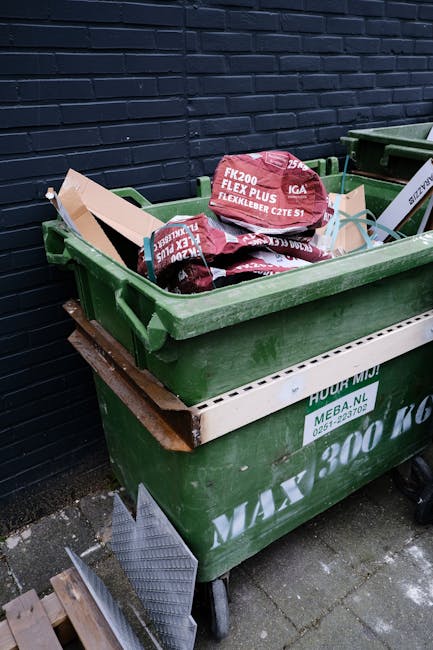
If you're planning a clear-out, a small renovation, or a garden tidy-up, the rules around Richmond Council rules for DIY skips and roadside waste can save you a lot of hassle. A skip placed on the street, bags left at the kerb, or rubble stacked a bit too neatly can all be treated very differently once council rules come into play. And yes, that can mean delays, extra costs, or a stern conversation nobody wants on a wet Tuesday morning.
This guide walks through the practical side of using a DIY skip or leaving waste roadside in Richmond: what usually counts as roadside waste, when a permit may be needed, what to avoid, and how to keep everything tidy, legal, and sensible. If you want a straightforward explanation without the jargon, you're in the right place.
Key takeaway: If your waste touches the public highway in any way, assume council rules may apply. Check before you place anything outside, not after.
Why Richmond Council rules for DIY skips and roadside waste Matters
At first glance, a skip or a few sacks of DIY rubble might seem harmless. But Richmond's roads, pavements, parking bays, and frontages are shared spaces, and councils are careful about anything that could block access, create a hazard, or look like fly-tipping. That means the location of your waste matters almost as much as the waste itself.
For homeowners, landlords, and small contractors, the main issue is usually this: once waste is put on the roadside, it may move from being "your project mess" to being a public-space issue. That's where permits, placement rules, visibility, timing, and collection arrangements all start to matter. A lot. More than most people expect, truth be told.
There's also a practical side. DIY jobs tend to generate waste in awkward shapes and awkward bursts: plasterboard on one day, old timber the next, then a heap of packaging, broken tiles, or cuttings. Without a clear plan, the pile can spread, become unsafe, or sit around longer than intended. And the longer it sits, the more likely it is to become a problem.
If your project also includes bulky household items, mixed waste, or furniture, it can help to think in categories rather than "everything goes in one pile". Services such as waste removal and even specialist clearances like home clearance or garage clearance can be useful when the job becomes bigger than a DIY skip feels comfortable handling.
How Richmond Council rules for DIY skips and roadside waste Works
In simple terms, there are two separate questions to answer. First: where is the waste going to sit? Second: who is responsible for it while it's there?
If a skip, trailer load, or waste pile stays entirely on private land, such as a driveway or front garden, the rules are usually easier. Once the waste is placed on a public road, pavement, verge, or parking bay, a permit or other permission is often needed. The same general logic applies to roadside waste sacks and temporary piles of DIY debris. The public highway is the trigger.
One thing people sometimes miss is that a "small" pile can still count. A few bags of old tiles or a board leaning at the kerb may seem temporary, but if it encroaches on public space, it may still need attention. Councils tend to care less about the emotional size of the job and more about the physical footprint. Fair enough, really.
Typical practical steps include:
- Identify whether waste will be kept on private property or the public highway.
- Check whether a permit or controlled placement is required.
- Make sure the waste is contained safely and does not obstruct pedestrians, cyclists, vehicles, or sight lines.
- Arrange collection promptly so waste is not left out for longer than necessary.
- Keep the site clean and ensure no loose debris escapes onto the road.
For some jobs, you may find that a skip is not the neatest solution at all. If you're clearing a flat, a loft, or a packed house and access is awkward, using a more flexible service can be easier. Pages like flat clearance, loft clearance, or house clearance are often more practical when you need items removed from inside the property rather than left roadside.
Key Benefits and Practical Advantages
Getting the council side right is not just about avoiding penalties. There are several very real advantages.
- Less risk of delays: if your waste placement is compliant, your project keeps moving.
- Cleaner streets and safer access: good placement reduces trip hazards and blocked pavements.
- Fewer neighbour complaints: nobody wants to step around rubble at 8 a.m. on a Sunday.
- Better cost control: avoiding fines, extra collection charges, or re-booking is always welcome.
- Less stress: you can focus on the job instead of wondering if the council will take issue.
There's also a quality-of-life benefit that people forget. A neat, well-managed waste plan makes the rest of the job feel calmer. You know where the materials are going. You know when they're going. The site doesn't start to look like a blown-apart shed by midweek.
For larger clear-outs, combining the right removal method with responsible disposal can make a big difference. If you're dealing with bulky furniture after a refurb, for example, furniture disposal or furniture clearance may be a cleaner fit than trying to manage a roadside pile.
Who This Is For and When It Makes Sense
This topic matters to a surprisingly wide group of people. You may need to understand the rules if you are:
- a homeowner doing a bathroom, kitchen, or garden project
- a landlord clearing tenant leftovers or renovation waste
- a tradesperson working on a short domestic job
- a property manager arranging one-off waste disposal
- someone clearing mixed household clutter from a front room, loft, or garage
It also makes sense if you're comparing a skip against a man-and-van style clearance. A skip can be useful when you have a lot of bulky, inert waste and a safe place to keep it. But if access is tight, the road is busy, or you simply don't want a bin outside for several days, a direct collection can be a lot simpler.
To be fair, not every project needs the same solution. A few broken cabinets and some packaging may be handled one way; a garden rebuild with soil, branches, slabs, and broken fencing may need something very different. That judgement call matters.
Step-by-Step Guidance
Here's the practical process I'd recommend if you're dealing with DIY waste in Richmond.
1. Work out exactly what you need to remove
Make a rough list. Is it plasterboard, timber, old bathroom fittings, broken tiles, furniture, or general clutter? Mixed waste is fine in some cases, but separating materials early often saves problems later.
2. Decide whether the waste will stay on private land or go roadside
If it can remain on your drive or another private area, you may avoid needing permission altogether. If it must go on the street or pavement, pause and check the rules before placing anything out.
3. Consider whether a skip is the right fit
Skips are handy for larger volumes and heavier debris, but they're not always the easiest option. Access, parking, permit requirements, and loading method all matter. In some homes, a clearance service can be faster and tidier than trying to squeeze a skip into a tricky frontage.
4. Plan the timing carefully
Leave roadside waste out for as short a time as possible. Ideally, arrange delivery and collection so the waste doesn't sit unattended for days. Early morning collections can be useful, especially when you want to minimise disruption.
5. Keep the waste secure and contained
Loose rubble, sharp offcuts, and lightweight packaging can spread quickly with a bit of wind. Use sturdy bags, stack safely, and avoid creating a mess that could travel across the pavement. It's amazing how fast a neat pile can become a neighbour's problem if the weather turns.
6. Check access and visibility
Never place waste where it blocks a dropped kerb, driveway, pedestrian route, visibility at a junction, or access for emergency services. Even if your pile seems small, placement can create a bigger issue than the waste volume itself.
7. Arrange final removal and site clean-up
Once the job is done, sweep up loose dust, nails, and splinters. A last five-minute tidy can make the whole street look better and avoid complaints. Small detail, big difference.
Expert Tips for Better Results
If you want this to go smoothly, a few habits help more than most people realise.
- Measure first, order second: rough volume estimates are better than guessing and ending up with too little capacity.
- Keep mixed waste under control: plasterboard, green waste, timber, and soil are not always treated the same way.
- Think about access at collection time: what looks easy in daylight may be awkward once cars are parked outside.
- Use loading boards or heavy-duty bags where appropriate: they make waste easier to move and reduce scattering.
- Leave a clear path for neighbours and passers-by: this avoids the classic "why is there a mini construction site outside my gate?" reaction.
Another useful tip: if the job has multiple waste streams, plan them in stages. For example, strip-out materials first, bulky items second, finer debris last. It feels a bit old-fashioned, but it works.
Where waste includes old office furniture, archive boxes, or commercial clutter, it may be more practical to use office clearance or business waste removal rather than treating everything as DIY waste. That can save time and make sorting easier.
Common Mistakes to Avoid
Most problems fall into a small number of categories, and they're very avoidable if you know what to watch for.
- Leaving waste on the road without checking permission: this is the big one.
- Blocking pavements or access points: even temporary obstruction can create issues.
- Underestimating waste volume: DIY jobs have a habit of generating more rubble than expected.
- Mixing unsuitable materials together: it can complicate handling and disposal.
- Assuming "just for tonight" is fine: councils often care about what is left out, not how long you intended to leave it.
- Not securing light waste: packaging and dust love a breezy afternoon.
One small mistake can snowball. A pile moved a metre too far onto the pavement can turn into a complaint. A skip placed without checking the bay rules can lead to unnecessary expense. None of this is dramatic, just annoying. And expensive-annoying, which is the worst kind.
Tools, Resources and Recommendations
You do not need a huge toolkit to manage roadside waste sensibly, but a few simple items help.
- Heavy-duty rubble sacks: useful for small, dense waste and easier sorting.
- Gloves and safety footwear: especially if you are handling sharp offcuts or broken items.
- Dust sheets or tarps: good for covering material if weather turns.
- Measuring tape: surprisingly useful for checking access and skip placement space.
- Basic broom and dustpan: for the final clean-down.
On the planning side, a few internal pages may help you think through the right disposal route. If your project involves household contents, home clearance can be a useful starting point. For heavier, messier jobs involving fittings or leftovers from DIY work, builders waste clearance may be the better fit. And if the job is more about moving items out of a store space, garage clearance can be a very practical middle ground.
It can also help to review the company's own policies before booking anything, especially around health and safety, insurance and safety, and recycling and sustainability. Those pages won't tell you council rules, but they do show how a provider approaches risk and disposal standards.
Law, Compliance, Standards, or Best Practice
For this topic, the safest approach is to treat council and highway rules as controlling factors, then layer good waste management practice on top. Exact conditions can vary depending on location, street type, access, and the kind of waste involved, so it is worth checking the current council position before you place anything outside.
From a general UK best-practice perspective, the main principles are straightforward:
- do not obstruct the public highway
- avoid creating hazards for pedestrians, cyclists, or vehicles
- store waste securely so it cannot escape
- separate materials where practical and reasonable
- use a properly insured and reputable service if you are not handling the waste yourself
If your project creates waste from building, refurbishment, or heavy DIY work, you should also think about how the waste is being moved and who is responsible for it until it is collected. That responsibility does not magically disappear because the rubble is outside. Sadly, waste does not have a very good memory.
Best practice also means being honest about the job. If the material is awkward, heavy, dusty, or mixed, say so upfront. That helps avoid mismatched collections and makes the process smoother for everyone involved.
Options, Methods, or Comparison Table
Choosing between a skip, roadside placement, or a direct collection service depends on space, timing, and how much waste you have.
| Option | Best for | Pros | Watch-outs |
|---|---|---|---|
| Private-drive skip | Homes with enough on-site space | Convenient, contained, simple loading | Space needed; may still require planning and access checks |
| Roadside skip or roadside waste placement | Properties with limited private space | Useful where access is tight | More likely to involve permits or permissions; public obstruction risk |
| Direct waste removal | Mixed, bulky, or awkward waste from inside a property | Fast, often tidier, less street disruption | Needs clear item list and access details |
| House or room clearance | Large domestic clear-outs | Good when waste is mixed with reusable items | May be more than you need for a small DIY project |
In everyday terms, if you can park the waste safely on your own land, do that. If you can't, then check the rules before turning the road edge into an unofficial staging area. Simple, but important.
Case Study or Real-World Example
Imagine a small bathroom refit in a Richmond terrace house. The owner has old tiles, a broken sink, packaging, and a bag of plaster dust. There's no driveway, and parking outside is tight by late morning. At first, a roadside pile seems tempting: put it all by the kerb and get it gone later.
But once the space, timing, and access are checked properly, that plan becomes less attractive. The pavement is narrow, the street is busy, and the neighbours already use the front bays heavily. Instead, the waste is split into manageable groups, kept inside until collection day, and removed in one go through a service that can handle the mixed load without leaving debris on the road.
The result is boring in the best possible way. No complaint. No awkward note on the door. No rubble drifting into the gutter at 6 p.m. when the wind picks up. Just a tidy end to the project.
That is usually what people want, after all. Not drama. Just a finished job.
Practical Checklist
Use this quick checklist before placing DIY waste outside or arranging a roadside collection.
- Have I confirmed whether the waste is on private land or the public highway?
- Do I need a permit or permission for the placement?
- Is the waste safely contained and not blocking access?
- Have I separated materials where that makes sense?
- Is the collection date fixed, so waste will not sit out too long?
- Have I considered weather, parking, and neighbour access?
- Do I know who is responsible for the waste until it is collected?
- Have I checked whether a clearance service would be simpler than a skip?
- Have I planned a final sweep-up to leave the area clean?
If you can tick most of those off, you are in good shape. If a few are still unclear, pause and sort them first. It's much easier than trying to fix a roadside mess after the fact.
Get a free quote today and see how much you can save.
Conclusion
Richmond Council rules for DIY skips and roadside waste are really about one thing: keeping public space safe, tidy, and accessible while your project gets done. If you treat the road, pavement, and verge as shared spaces rather than convenient storage, you're already most of the way there.
The best approach is usually the simplest one. Keep waste on private land where possible, check permission before using the highway, secure everything properly, and choose the right removal method for the job. That might mean a skip. It might mean direct collection. It might mean a bigger clearance service if the project has outgrown the original plan.
Plan it well, and the whole thing feels lighter. Less noise, less mess, less stress. And honestly, that is worth a lot when you're standing in the middle of a half-finished room with dust on your shoes and a kettle on the boil.
When the paperwork is sorted and the waste is handled properly, you get to enjoy the satisfying part: seeing the space clear again. That's the good bit.
Frequently Asked Questions
Do I need permission to put a skip on the road in Richmond?
In many cases, yes. If the skip or waste will be placed on the public highway, a permit or some form of permission is commonly required. The exact arrangement depends on the location and current council rules, so check before booking.
Can I leave DIY waste bags on the pavement outside my house?
Usually, you should avoid leaving waste on the pavement unless you have confirmed it is allowed. Even a temporary pile can count as an obstruction or roadside waste if it sits in public space.
What counts as roadside waste?
Anything left on the road, kerb, verge, pavement, or another shared public area can count as roadside waste. The key issue is not just the item itself, but where it is placed.
Is a driveway always better than the road?
Usually, yes. Keeping waste on private land tends to reduce permit issues and lower the risk of obstruction. If your driveway is large enough and safe to use, it is generally the cleaner option.
How long can waste stay outside before collection?
There is no one-size-fits-all answer. The safest approach is to leave waste out for the shortest practical time and to arrange collection as close as possible to the day it is needed.
What happens if I put waste out without checking the rules?
You may face complaints, delays, removal problems, or enforcement action depending on the situation. It is much easier to check in advance than to deal with the fallout later.
Do I need to separate DIY waste materials?
It is often a good idea, especially for awkward or mixed loads. Separating timber, rubble, green waste, metal, and household items can make disposal simpler and may improve handling.
Is a skip always the best option for a DIY project?
No. A skip works well for larger, heavier jobs, but a direct clearance service can be better for awkward access, mixed items, or smaller domestic clear-outs.
Can bulky furniture be included with DIY waste?
Sometimes, but not always in the same load or method. Furniture can be better handled separately through furniture clearance or furniture disposal, especially if the rest of the waste is heavy rubble or building debris.
What if I'm clearing out a garage or loft too?
Then it may be worth thinking beyond a skip. A broader clearance approach, such as garage clearance, loft clearance, or home clearance, can be simpler when the waste is mixed with stored items.
How do I know whether I should book a waste collection instead of using roadside placement?
If you have limited space, busy street parking, or a mixed load that would be awkward to stage outside, a collection service is often the easier route. It reduces street disruption and can make the whole job more manageable.
Where can I check the company details before booking?
It is sensible to look at pages such as about us, pricing and quotes, and terms and conditions so you understand how the service works before you commit.
What is the safest first step if I'm unsure about my waste setup?
Measure the space, identify where the waste will sit, and check whether the placement is on private land or the public highway. That one decision point clears up a lot very quickly.
Can a clearance service help with sustainability?
Yes, especially if the provider has clear sorting and recycling practices. It is worth reviewing recycling and sustainability information so you know waste is being handled responsibly.