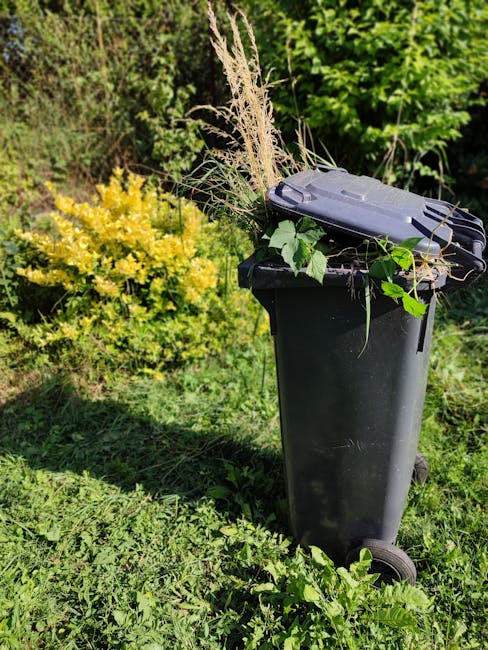
Dealing with garden waste overload in Richmond terraces
Terraced gardens in Richmond can be charming. They can also turn into a bit of a backlog surprisingly fast. One weekend of pruning, a hedge trim after the first proper warm spell, or a long-overdue tidy-up and suddenly you've got bags, branches, clippings, and wet green waste stacked where you'd rather be having a cup of tea. Dealing with garden waste overload in Richmond terraces is really about getting control back without making the job harder than it needs to be.
In a terrace, space is the whole game. Narrow side returns, shared access, small bins, and awkward rear gates all make disposal more annoying than it looks from the street. This guide walks through what garden waste overload means in practice, how to deal with it safely, and how to choose the most sensible route when the pile is bigger than your green bin can handle. No drama, just a clear plan.
If you want a straightforward next step while you're reading, you can also look at pricing and quotes for a quick sense of what professional help may involve, and review the company's approach to recycling and sustainability if you're trying to keep the job responsible as well as tidy.
Table of Contents
- Why Dealing with garden waste overload in Richmond terraces Matters
- How Dealing with garden waste overload in Richmond terraces Works
- Key Benefits and Practical Advantages
- Who This Is For and When It Makes Sense
- Step-by-Step Guidance
- Expert Tips for Better Results
- Common Mistakes to Avoid
- Tools, Resources and Recommendations
- Law, Compliance, Standards, or Best Practice
- Options, Methods, or Comparison Table
- Case Study or Real-World Example
- Practical Checklist
- Conclusion
- Frequently Asked Questions
Why Dealing with garden waste overload in Richmond terraces Matters
Garden waste is not just "stuff outside that needs moving." In a terrace, it can block access, attract pests if left damp for too long, and make an already compact garden feel much smaller. You notice it most when the neat bits stop being visible: the path narrows, the compost heap spills over, and the bags begin to look like part of the furniture. Not ideal.
Richmond terraces often have narrow access points, mixed front and rear entry, and limited place to stage waste while you decide what to do next. That means a normal garden tidy can escalate into a handling problem, not just a gardening one. Branches are awkward. Ivy is stringy. Wet lawn cuttings are heavier than you think. Then there's the smell after rain, which is never a good sign once green waste has sat too long.
There is also the practical side of neighbourly living. Terraces often mean shared boundaries, shared sightlines, and very little tolerance for mess hanging around for days. If you're stacking cuttings by a gate or across a passage, the timing matters. Let's face it, people in terraces notice everything.
Expert summary: The best way to deal with garden waste overload in a Richmond terrace is to separate the work into capture, sort, move, and dispose. If you skip the sorting step, the whole job gets heavier, messier, and oddly more expensive.
How Dealing with garden waste overload in Richmond terraces Works
The process sounds simple, but in real life it needs a bit of order. First, you identify what kind of waste you have. Then you decide what can be composted, bagged, reused, or taken away. After that comes access: how the waste gets from the back garden to the front or to a loading point without damaging paving, walls, bins, or your sanity.
For most Richmond terrace gardens, the job falls into one of three patterns:
- Light seasonal cutback: grass, small hedge trimmings, and a few branches after a tidy-up.
- One-off overload: years of growth, overgrown shrubs, ivy, old planters, and heavy green debris after a major clear.
- Mixed waste situation: garden waste plus broken pots, soil, timber edging, old sleepers, or general clutter found while clearing beds and borders.
The more mixed the load, the more important it is to separate materials properly. Green waste, woody waste, soil, and non-organic items are handled differently. That matters because a tidy pile is easier to remove, easier to recycle, and usually easier on your back too.
In practice, the job usually works best when you think in batches rather than one giant push. A small terrace can swallow a lot of prunings if you keep piling them up. It can also become impossible to move if you let every cut branch sit where it falls. A little discipline goes a long way.
Key Benefits and Practical Advantages
Getting on top of garden waste overload is not just about aesthetics, although a clear, open garden does feel better. There are practical gains too. You regain access, reduce hazards, and make it easier to maintain the garden going forward. That sounds obvious, but obvious things are often the things we put off the longest.
- More usable space: clearing waste makes narrow terraces feel bigger and easier to move through.
- Lower trip and slip risk: loose branches, soggy clippings, and hidden debris can be awkward underfoot.
- Better plant health: removing diseased or rotting material stops problems hanging around.
- Cleaner workflow: once the garden is clear, maintenance becomes far simpler.
- Less stress: this one sounds soft, but honestly, a cluttered garden can feel like a chore every time you look at it.
There's also a sustainability angle. If the waste is sorted properly, a good proportion can often be recycled or composted rather than sent straight to landfill. That is where planning makes a real difference. If you want to see how that approach is framed more broadly, the company's recycling and sustainability approach is a useful reference point.
A small but real benefit: once the waste is out, the light changes. You suddenly see the shape of the garden again. In the morning, especially, that can be oddly satisfying.
Who This Is For and When It Makes Sense
This kind of garden clearance is for anyone who has more green waste than their normal routine can comfortably absorb. That includes homeowners, tenants with permission to manage the garden, landlords preparing a property, and property managers dealing with a terrace that has been left to grow a little wild.
It makes sense when:
- the green bin is full before you've finished the first section of the garden;
- you have bulky branches or hedge cuttings that won't compact well;
- you need the garden cleared before new planting, repairs, or a sale;
- you've found hidden waste under overgrowth;
- you don't have the time, tools, or lifting capacity to shift everything yourself;
- access is tight and hauling bag after bag through the house is just not practical.
Sometimes the issue is not the amount of waste alone, but the shape of the job. A small terrace can produce a surprisingly awkward load, especially where mature shrubs or tangled climbers are involved. Ever tried dragging a pile of thorny cuttings through a side return in the drizzle? Not a glamorous task. Not even close.
If you're deciding whether to do it yourself or call in help, the key question is simple: will the clean-up take you one evening, or swallow the whole weekend and then some?
Step-by-Step Guidance
Here's a practical way to tackle overload without letting it run away from you. It's not fancy. It does work.
- Survey the garden first. Walk the space and identify everything that needs removing. Look for branches, leaf piles, cut grass, dead plants, old compost, broken pots, and anything hidden in corners.
- Split waste into clear groups. Separate soft green waste from woody material and from anything non-organic. This makes handling easier and keeps the end disposal cleaner.
- Create a temporary staging point. Choose one spot for all bags or bundles. Keep it off paths if possible. A terrace can get cluttered fast, so one controlled pile is better than five half-piles.
- Cut bulky items down. Long branches and awkward stems take up far more room than you think. Reduce them into manageable sections before bagging or bundling.
- Use proper bags or containers. Strong garden waste bags, tubs, or heavy-duty sacks help prevent spills. Weak bags tear at the worst possible moment. Usually at the gate. Of course.
- Protect access routes. If you have to carry waste through the house or along a narrow passage, clear the route first and lay protection if needed.
- Decide on disposal early. Do not wait until the garden is spotless to think about where the waste is going. That is how good intentions become a mountain of bags.
- Book removal or arrange drop-off. If the load is too large for normal collection, arrange a proper uplift. For time-sensitive jobs, a scheduled collection can be much less stressful than multiple trips.
A useful trick is to work backwards from the disposal point. If the waste is leaving through the front, plan the route from the rear garden to the street before you cut anything. That sounds almost too simple, but in terraces it saves a lot of awkward lifting.
Expert Tips for Better Results
Experience tends to teach a few small truths. The first is that wet garden waste is heavier than it looks. The second is that mixed loads are slower to handle than neat ones. And the third is that a little prep time prevents a lot of bent-back regret later on.
Work when the garden is dry if you can
Damp clippings clump together and add weight. Dry waste is easier to bag, stack, and move. If you've got choice, go for a dry morning or a mild afternoon when the surface is not slippery.
Cut as you clear, not after
People often leave the cutting until the end. In a terrace, that usually means the debris occupies more of the garden than necessary. Trim first, collect second. It keeps the space usable while you work.
Use the "one-touch" rule
If you pick up a branch or bag of clippings, aim to move it straight to its final staging point. Avoid setting it down and picking it up again three more times. That extra handling is where the fatigue creeps in.
Keep an eye on hidden mixed waste
Older terrace gardens sometimes hide bits of plastic, broken edging, old irrigation parts, or forgotten pots beneath the greenery. Once you uncover them, separate them immediately. Don't let them drift into the green waste pile. It makes the whole load harder to deal with and less recyclable.
Plan for the final tidy, not just the removal
Once the waste is gone, you'll probably find a few more things to do: sweeping, rinsing down paving, straightening borders, maybe filling a bare patch. Allow a bit of time for that last stage. It's the difference between "cleared" and "finished."
Common Mistakes to Avoid
Most problems with garden waste overload come from trying to make the task simpler than it is. A little simplification is good. Over-simplifying usually isn't.
- Leaving everything in one heap: mixed piles are awkward to move and difficult to sort later.
- Overfilling bags: a bag that looks manageable on the ground can become awful once you lift it.
- Ignoring access: a wide pile near the back gate might seem fine until you try to carry it through a narrow terrace corridor.
- Forgetting about soil and roots: these are heavy and often require different handling from leaf litter or trimmings.
- Waiting too long: a small load becomes a bigger one after a few more "quick jobs" in the garden.
- Not checking what can be recycled: some items are better kept separate, especially woody material and clean green waste.
One classic mistake is assuming that all waste is lightweight just because it is "natural." A bag full of damp ivy can feel like it has a hidden brick inside. Garden waste has a sense of humour like that.
Tools, Resources and Recommendations
The right tools make terrace clearance far less frustrating. You do not need a shed full of specialist kit, but a few sensible items help.
- Strong garden waste bags: for cuttings, leaves, and smaller clippings.
- Loppers and secateurs: for reducing branches and removing tangled growth.
- Pruning saw: useful for thicker woody stems.
- Tarpaulin: helps with dragging waste to a collection point without scraping surfaces.
- Gloves and sturdy footwear: essential for thorny material and uneven ground.
- Wheelbarrow or garden trug: helpful if access allows, though not always ideal in narrow terraces.
- Broom and dustpan: because the final sweep matters more than people think.
If you are comparing a DIY approach with professional help, it may also be worth reviewing the company's health and safety policy and insurance and safety information. That gives you a better sense of how risk and handling are approached, which matters when waste is heavy, thorny, or awkward to move.
You can also use the contact page to ask about access, timing, or whether a mixed garden clearance can be arranged around your schedule. Sometimes the most helpful resource is simply getting a clear answer before you start lifting.
Law, Compliance, Standards, or Best Practice
Garden waste in the UK is subject to normal waste-handling expectations, and local collection arrangements can vary. It is sensible to check what your local authority accepts in garden bins or mixed garden waste collections if you plan to dispose of the material yourself. Beyond that, the practical standard is straightforward: do not leave waste where it causes obstruction, nuisance, or avoidable risk.
If you hire a clearance provider, best practice is to look for clear terms, transparent pricing, sensible handling of recyclable material, and straightforward communication about what is and is not included. You do not need legal jargon for that. You just need honesty and a workable plan.
For peace of mind, it is also sensible to review business information such as terms and conditions, payment and security, and the provider's about us page. That tells you a lot about how they work and what kind of service standard you can expect.
One more thing: if you have particularly heavy material, sharp cuttings, or awkward access, safety should come first. No garden tidy is worth a strained back or a damaged wall.
Options, Methods, or Comparison Table
There is more than one way to handle a garden waste overload. The best option depends on volume, access, time, and how much sorting you are prepared to do.
| Method | Best for | Pros | Trade-offs |
|---|---|---|---|
| DIY bagging and binning | Small, light loads | Cheap, flexible, simple for minor tidy-ups | Slow for large volumes; can be tiring in terraces |
| Staged DIY with a vehicle run | Moderate loads with good access | More control over sorting and timing | Requires transport, lifting, and disposal planning |
| Professional garden waste removal | Large or awkward loads | Fast, less physical effort, better for mixed or bulky waste | Costs more than doing it yourself |
| Mixed approach | Projects where you can sort some waste yourself | Balances effort and cost; efficient for terrace clearances | Needs a bit of coordination |
For many Richmond terraces, the mixed approach is the sweet spot. You do the easy sorting, keep the most manageable waste in one place, and leave the heavy or awkward stuff to a proper collection. It keeps the job realistic, which is usually what people need most.
Case Study or Real-World Example
Picture a typical Richmond terrace garden after an enthusiastic spring cutback. The hedge is trimmed, the climber has been reduced, and the border weeds have finally been tackled. Good job. But now the narrow patio is covered in green bags, woody offcuts, and a pile of brambles that looks far larger than the garden ever did.
The obvious mistake would be to keep stacking waste by the back door and "deal with it later." In a small terrace, that just steals your working space. A better approach is to split the waste immediately into three piles: soft green cuttings, woody material, and anything non-organic. The soft green waste is bagged first because it compresses easily. The woody pieces are tied or bundled so they don't snag everything else. The non-organic bits are kept separate for proper disposal.
By late afternoon, the garden is clear enough to walk through properly again. The paving is still dusty, there are a few stubborn twigs in the corners, and someone has lost a glove under the bench, naturally. But the main problem is gone. The space feels lighter. You can see the shape of the garden again, which is half the battle in a terrace.
That kind of result is usually less about brute force and more about sequence. Good sequence. Little decisions, made early, save a lot of effort later.
Practical Checklist
Use this before you start, especially if the garden has been untouched for a while.
- Assess the total volume of waste before cutting more
- Check access routes from garden to disposal point
- Separate green waste from woody and non-organic material
- Prepare strong bags, gloves, and cutting tools
- Choose a dry working window if possible
- Keep one staging area for all waste
- Reduce bulky branches before moving them
- Confirm how the waste will be removed or disposed of
- Leave time for sweeping and final clean-up
- Review safety, payment, and service details before booking help
If that list feels like a lot, fair enough. It is a lot. But once you've done it once or twice, the process becomes much more manageable and far less fiddly.
Conclusion
Dealing with garden waste overload in Richmond terraces is mostly about working smart in a tight space. The problem is rarely just the waste itself. It is the access, the weight, the timing, and the way a small garden can turn chaotic when the debris starts multiplying. With a simple plan, the job becomes much more controllable.
Whether you handle the lighter parts yourself or bring in help for the bulky end of the clearance, the key is to avoid letting the waste sit and spread. Sort early, move steadily, and keep the exit route clear. That alone solves more than you might expect.
And once the last bag is gone and the garden is quiet again, the whole terrace breathes a bit easier. That's the nice part, really.
Get a free quote today and see how much you can save.
If you'd like to speak to someone directly, use the contact page and ask about the safest, most practical way to clear your garden waste without turning the week upside down.
Frequently Asked Questions
What counts as garden waste overload in a Richmond terrace?
It usually means more green waste than you can comfortably store, bag, move, or dispose of through normal bins or a simple tidy-up. In a terrace, even a moderate amount can feel overloaded because access is tight and storage space is limited.
Can I just put all garden waste in one pile and sort it later?
You can, but it often creates more work. Sorting as you go saves time and makes disposal easier. Soft green waste, woody cuttings, and non-organic items are best kept separate from the start.
What is the easiest way to clear a lot of hedge cuttings?
Cut them down into smaller sections, bundle the woody pieces, and bag the lighter material first. Hedge cuttings become awkward when left in long, tangled lengths, especially in narrow terrace gardens.
Is it worth hiring help for a one-off garden clearance?
If the waste is bulky, heavy, or difficult to move through a terrace, yes, it can be worth it. The time saved and the reduced physical strain often make a professional clearance the more practical choice.
How do I deal with wet garden waste?
Try to let it drain or dry a little before bagging if possible. Wet waste is much heavier and more likely to tear bags. If you must move it wet, use stronger bags and smaller loads.
What should I do with branches and thicker woody material?
Reduce them with loppers or a pruning saw and bundle them securely. Thick material is awkward to carry loose, and it can catch on railings, walls, or door frames as you move it.
Are there safety risks with clearing a terrace garden?
Yes. Common risks include lifting injuries, slips on damp paving, cuts from thorns or sharp edges, and trips caused by cluttered routes. Good gloves, sensible footwear, and a clear path help a lot.
Can green waste be recycled?
Often, yes, if it is clean and properly separated. Recycling and composting are commonly preferred for suitable garden material, which is one reason sorting matters so much.
How long does a terrace garden clearance usually take?
It depends on the size of the garden, the amount of waste, and access. A small tidy-up may be quick, while an overgrown terrace with mixed waste can take much longer than expected. That's where planning really pays off.
What if I find mixed rubbish under the plants?
Separate it immediately from the green waste. Mixed rubbish can change how the load is handled and may not be suitable for the same disposal route as garden material.
Do I need to prepare the garden before asking for a quote?
It helps to describe the size of the job, the type of waste, and how access works. If you can share clear details, the quote is more likely to reflect the actual job rather than a rough guess.
Where can I learn more about service standards and policies?
Useful pages include the company's health and safety policy, insurance and safety information, and complaints procedure. They help set expectations and give a clearer sense of how the service is run.